
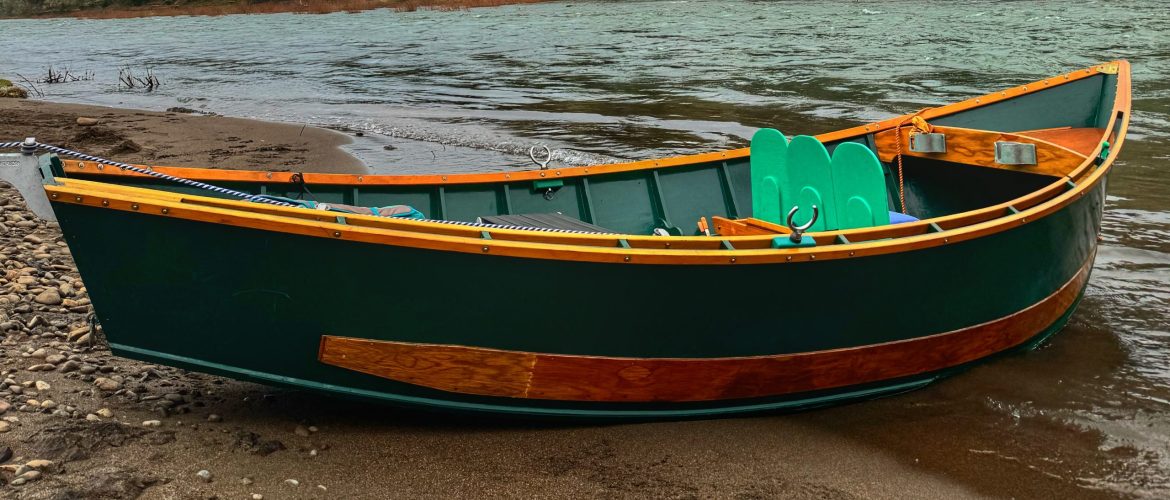
Drift boats are one of the most effective and rewarding ways to travel a river. They’re quiet, responsive, and perfectly suited for fishing and scenic floats. But drift boat safety isn’t automatic. It’s earned through attention, preparation, and respect for moving water.
This guide covers the core principles of drift boat safety — not from a textbook, but from real time on the oars. Whether you’re new to rowing or have years on the river, these fundamentals apply every time you launch.
⸻
Understanding Drift Boat Safety Starts With the River
A drift boat is simple by design. No motor. No throttle. Just oars and current.
That simplicity can be misleading.
Rivers change constantly. Flows rise and fall, gravel bars shift, and new hazards appear every season. On rivers like the North Umpqua, familiar water can become unpredictable overnight. Drift boat safety begins with accepting that the river is always in charge.
⸻
The Right Mindset Is Your First Safety Tool
Most drift boat accidents aren’t caused by lack of strength or experience. They’re caused by rushing, distraction, or pressure to push conditions.
A safe rower is:
• Calm and deliberate
• Willing to pull over and reassess
• Comfortable canceling or changing plans
• Focused on the next 30 seconds of water
If something doesn’t feel right at the ramp, that’s information — not fear. Listen to it.
⸻
Wear a PFD Every Time You Row
This is non-negotiable.
A personal flotation device (PFD) protects you from cold shock, fatigue, and loss of coordination — all common in moving water. Swimming ability doesn’t replace flotation, especially in cold rivers.
For proper drift boat safety:
• Wear the PFD, don’t stow it
• Choose one designed for moving water
• Ensure it’s properly fitted and secured
Setting this standard as the rower sets the tone for everyone in the boat.
⸻
Know Your Drift Boat and How It Handles
Every drift boat rows differently. Hull shape, material, and load all affect handling.
Before rowing technical water, learn:
• How your boat reacts when sideways to current
• How quickly it responds under load
• How it stops and pivots
• How weight placement affects stability
A fully loaded fishing boat behaves very differently than an empty one. Practice rowing maneuvers in forgiving water before relying on them in tight spots.
⸻
Oars Are Your Engine, Brakes, and Steering
Oars are primary safety equipment.
Before every trip:
• Inspect oarlocks for cracks or wear
• Make sure oars are seated correctly
• Check stops and leashes
• Carry an accessible spare oar
Good rowing technique matters just as much as equipment. Smooth, controlled strokes keep the boat predictable. Panic rowing increases instability and reduces options.
⸻
Read Water Early, Not at the Last Second
Good drift boat safety depends on anticipation, not reaction.
Always know:
• Your next eddy
• Your exit plan if a line disappears
• What’s downstream of your current move
Hazards like sweepers and strainers are among the most dangerous obstacles for drift boats. Wood doesn’t move — boats do. Give trees wide margins and never assume a narrow opening is passable.
If you’re unsure, pull over upstream and scout.
⸻
Ferry Angles Are a Core Safety Skill
Understanding ferry angles is one of the most important drift boat skills you can learn.
A proper ferry:
• Keeps the bow angled slightly upstream
• Uses current to move laterally
• Maintains control without excess speed
Late ferries lead to sideways boats and bad outcomes. Early ferries give you options. Practice them until they’re avoidable muscle memory.
⸻
Communicate Clearly With Passengers
Passengers play a role in drift boat safety whether they realize it or not.
Before launching, explain:
• Where to sit and why
• When to stay seated
• How and when to move
• What to do if the boat bumps or spins
Clear communication prevents sudden weight shifts and unnecessary reactions. Calm passengers make for a safer boat.
⸻
Cold Water and Changing Conditions Matter
Cold water drains energy fast — even on warm days. Dress for immersion, not air temperature.
For safe drift boating:
• Wear layers appropriate for cold water
• Carry dry clothing
• Know where pull-outs and warm-up spots are
Flows can change quickly due to rain or snowmelt. What felt mellow at launch may feel very different downstream. Always reassess as you go.
⸻
Familiar Water Still Deserves Respect
Some of the most dangerous mistakes happen on rivers we think we know.
Familiarity breeds shortcuts:
• Skipping scouting
• Assuming last year’s lines still exist
• Ignoring subtle changes
Rivers move every season. Treat each trip as current information, not memory.
⸻
Knowing When Not to Row Is a Skill
Calling a trip is part of responsible boating.
There’s no reward for pushing bad conditions. Professional guides understand that saying “not today” protects people, boats, and access.
The river will be there tomorrow.
⸻
Why Drift Boat Safety Matters on Guided Trips
At North Umpqua Outfitters, drift boat safety is part of every fishing and rafting experience — from guest briefings to how we read water and choose conditions.
• Learn more about our guided fishing trips →http://umpquarivers.com/fishing-on-the-legendary-north-umpqua-river/
• Explore spring whitewater rafting trips →http://umpquarivers.com/north-umpqua-river-rafting-kayaking/
We believe good days on the river come from preparation, patience, and respect — not rushing or shortcuts.
⸻
Final Thoughts on Drift Boat Safety
Drift boats allow people to experience rivers quietly and intentionally. But that access comes with responsibility.
Drift boat safety isn’t about fear. It’s about awareness, preparation, and humility.
Row with intention. Read water early. Wear the PFD. Respect cold water. And never let familiarity replace attention.
That’s how drift boating stays what it should be: a lifelong relationship with rivers, not a close-call story.
Current River Conditions: https://water.noaa.gov/gauges/wnro3
Winchester Dm Fish ladder Live Cam https://www.youtube.com/watch?v=X5eJMyRrGWg